
By Minal Dalal | Adhyaant – Soulful Living
In my work with human potential, one observation continues to surface with clarity:
Intelligence becomes meaningful only when it has a skill to move through.
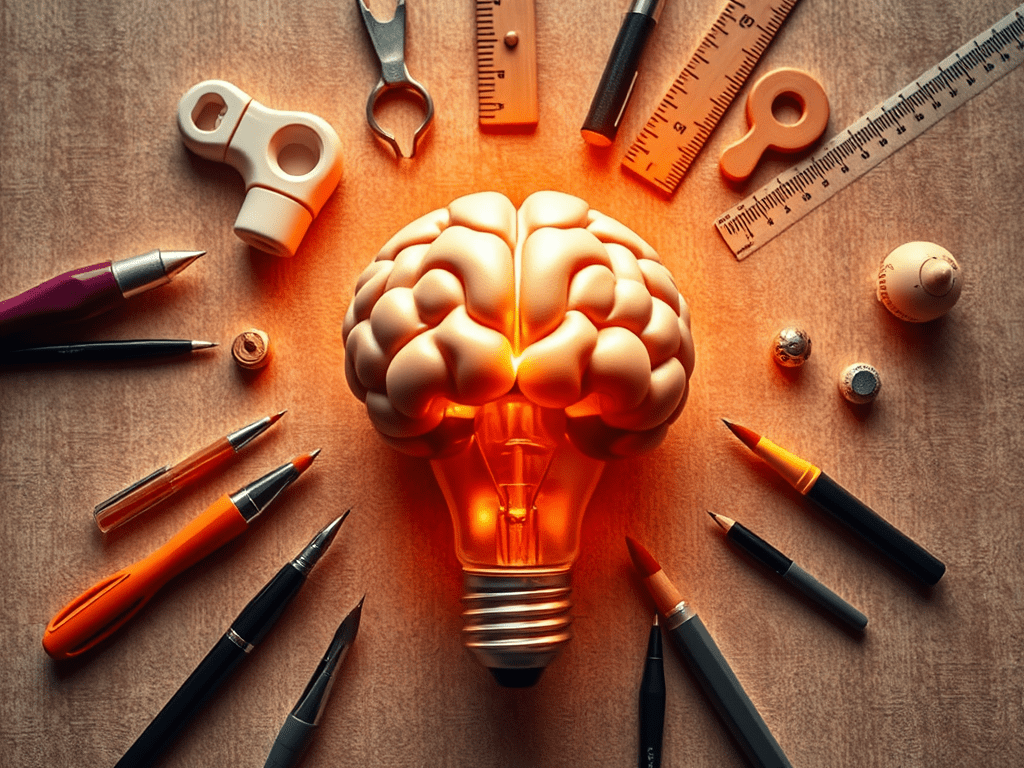
We often treat intelligence and skill as separate, intelligence as cognitive ability, and skill as learned execution. But in lived experience, they are deeply interwoven. Intelligence, on its own, remains abstract. It needs a channel. It needs application. And that channel is skill.
When you develop a specific skill: be it writing, teaching, designing, or leading, you create a structure for your intelligence to operate. That structure is what allows insight to emerge, problems to be solved, and ideas to take form. Without skill, intelligence has nowhere to land. Without intelligence, skill becomes routine. But when they come together, they generate purpose, progress, and often, mastery.
Consider this: someone may be intellectually brilliant, yet struggle to apply their thinking in real-world situations. Why? Because they lack a practiced skill that gives their intelligence form. Meanwhile, a person who has honed a particular skill can draw on their intelligence fluidly within that context. Their thinking becomes sharp, relevant, and impactful, because it has a pathway.
This also reframes how we view problem-solving. It’s not just a generic trait, it’s contextual. You solve problems more effectively in areas where you’ve built experience and competence. In those spaces, intelligence is naturally activated, not because you’re trying to be smart, but because you’ve cultivated familiarity, feedback, and flow.
The takeaway is simple but powerful:
Intelligence is not about being exceptional in thought. It’s about being aligned in action.
It reaches its full potential when rooted in something practiced, embodied, and applied.
So rather than asking, “How do I become more intelligent?”, ask:
- Where am I consistently practicing?
- Which skills have I truly invested in?
- In what space does my intelligence come alive, not just in theory but in action?
When skill leads, intelligence follows.
And that alignment is what shapes depth, clarity, and real-world impact.
 Adhyaant - The Living Ecosystem For Human Potential
Leave a comment